Main Content

DBA Roundup


A roundup of industry expertise, exclusive resources, business support and tools for your design business.


15/07/2026


News


Read more >>
Pillars

Lobbying for a fairer, more effective system


One of the most significant commercial pressures industrial design consultancies face in the UK is losing work to publicly funded organisations offering heavily subsidised design and product development services. The DBA is lobbying for a fairer, more effective system.

15/07/2026


News


Read more >>
String of three Union Jack flags

The Global Talent Visa for Design


Talented and promising individuals can now apply for the Global Talent Visa in Design, and the DBA will assess applications on behalf of the Arts Council.

14/07/2026


News


Read more >>
Indian Flag

Promoting the UK-India opportunity to the UK design sector


The UK-India Free Trade Agreement (FTA) comes into effect on 15 July and the DBA has been asked by the Department for Business and Trade to advise on the opportunity it creates for UK design companies.

14/07/2026


News


Read more >>

DBA Member Forum | July Summary


At our July DBA Member Forum, we took a balanced look at what might be responsible for the downward trend in junior hiring in recent years.

08/07/2026


News


Read more >>
Newspapers

Beyond the echo chamber: How creative agencies get into the business media


How can your agency claim its place in the business media? Competition is fierce and journalists receive hundreds of pitches every day. To stand out, you need to master these three key areas.

30/06/2026


News


Read more >>

The Employment Rights Act and agencies: What to do now


DBA Expert, Aliya Vigor-Robertson looks at what the Employment Rights Act means for design agencies and what you should be doing now. 

25/06/2026


News


Read more >>
Overlapping, coloured circles on blue background

A Shared Vision for Industry-Led Design Education within Higher Education


The DBA has launched its latest white paper, produced in partnership with the Council for Higher Education in Art & Design.

22/06/2026


News


Read more >>

Rules & Rebels: How design agencies tell their own stories


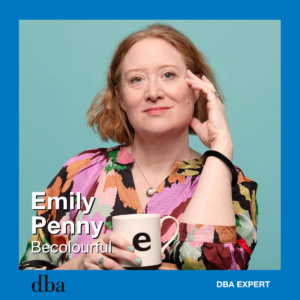
How do you choose the right words to set your business apart? DBA Expert Emily Penny looks at the rules and rebels of design agency messaging.

17/06/2026


News


Read more >>

The era of the Client Partner has begun


Client service helps generate serious returns and it's time to recognise its value. The Client Partner era has begun.

11/06/2026


News


Read more >>

Main Content

Catapults and Research and Technology Organisations were initially set up to help innovators from universities and private sector SMEs to navigate the pipeline from the first stage of frontier research and invention, through commercialisation and early-stage business development to adoption and diffusion. But Catapults and RTOs have grown to a point where their offer is duplicating existing services that are delivered commercially, at the expense of industrial design consultancies. 

Duplicating this already available market offer at a much higher cost (albeit billed to the taxpayer) and often to an inferior standard, the individual or SME consumer has no other choice than to work with them. Why? Because in the past, SMEs which did not have the budget for product development were able to draw on EU funding or SMART awards to enable them to work with industrial design consultancies. This funding has gone and left the Catapults and RTOs to dominate the space with no choice of provider for the SME.  

The consequence is direct and measurable.

Industrial design consultancies are losing work, not because they cannot compete on quality or expertise, but because they cannot compete with organisations which are having their costs met from public funds. 

The DBA is actively lobbying to help develop models that deliver real innovation support for businesses whilst creating the conditions for a sustainable commercial design sector to thrive alongside it. The DBA and its activities are funded directly by its members. Please become a member and support this and other important work we need to do on behalf of our vibrant industry. 

Industrial design consultancies are the development layer of R&D, effectively the ‘D’ that turns the ‘R’ into economic output. They help to take outputs from research and translate them into manufacturable, market-ready products through user research, concept development, prototyping, engineering for manufacture, regulatory compliance and route-to-market support. They are the mechanism for translating innovation into commercial and investable activity across business

We are not seeking to protect them from competition, we are lobbying for a model that delivers real innovation support for businesses whilst creating the conditions for a sustainable commercial design sector to thrive alongside it. Displacing industrial design consultancies does not strengthen the innovation ecosystem; it hollows out one of its most critical components. 

About the DBA

The Design Business Association (DBA) is the trade association for the design industry. We represent a vibrant community of design agencies and in-house design teams.

The DBA is uniquely placed to provide a powerful, united industry voice to champion the strategic and economic value of design to business and government. Join us, add your voice to our membership and proactively shape your own business’ and the industry’s future.

Join the DBA >>

DBA Roundup


A roundup of industry expertise, exclusive resources, business support and tools for your design business.

15/07/2026


News


Read more >>
Pillars

Lobbying for a fairer, more effective system


One of the most significant commercial pressures industrial design consultancies face in the UK is losing work to publicly funded organisations offering heavily subsidised design and product development services. The DBA is lobbying for a fairer, more effective system.

15/07/2026


News


Read more >>
String of three Union Jack flags

The Global Talent Visa for Design


Talented and promising individuals can now apply for the Global Talent Visa in Design, and the DBA will assess applications on behalf of the Arts Council.

14/07/2026


News


Read more >>
Indian Flag

Promoting the UK-India opportunity to the UK design sector


The UK-India Free Trade Agreement (FTA) comes into effect on 15 July and the DBA has been asked by the Department for Business and Trade to advise on the opportunity it creates for UK design companies.

14/07/2026


News


Read more >>

DBA Member Forum | July Summary


At our July DBA Member Forum, we took a balanced look at what might be responsible for the downward trend in junior hiring in recent years.

08/07/2026


News


Read more >>
Newspapers

Beyond the echo chamber: How creative agencies get into the business media


How can your agency claim its place in the business media? Competition is fierce and journalists receive hundreds of pitches every day. To stand out, you need to master these three key areas.

30/06/2026


News


Read more >>

The Employment Rights Act and agencies: What to do now


DBA Expert, Aliya Vigor-Robertson looks at what the Employment Rights Act means for design agencies and what you should be doing now. 

25/06/2026


News


Read more >>
Overlapping, coloured circles on blue background

A Shared Vision for Industry-Led Design Education within Higher Education


The DBA has launched its latest white paper, produced in partnership with the Council for Higher Education in Art & Design.

22/06/2026


News


Read more >>

Rules & Rebels: How design agencies tell their own stories


How do you choose the right words to set your business apart? DBA Expert Emily Penny looks at the rules and rebels of design agency messaging.

17/06/2026


News


Read more >>

The era of the Client Partner has begun


Client service helps generate serious returns and it's time to recognise its value. The Client Partner era has begun.

11/06/2026


News


Read more >>

Main Content

What is the Global Talent Visa?

  • The Global Talent visa is available for talented and promising individuals from the fields of science, engineering, medicine and humanities, digital technology and arts and culture, who wish to continue their professional career in the UK.
  • The visa allows you to live and work in the UK for up to five years, and you can extend the visa after this period, or apply for settlement.

There are two routes available for people with different levels of experience. You must choose which of these routes is most appropriate for your current stage of career when you apply:

  • Exceptional Talent is for people who have a substantial track record of working regularly as a professional in the last five years, and who are widely recognised as being current leaders or experts in their field.
  • Exceptional Promise is for people who have a developing track record of working as a professional in the last five years, and who are recognised as being future leaders or experts in their field.

The Arts Council is the chosen endorsing body for arts and culture applications.

They assess applications from professional artists and arts practitioners who work in the following areas of practice of Combined Arts, Dance, Literature, Music, Theatre and Visual Arts. Please see The Arts Council Guide for Global Talent visa applicants for more details on the above areas of practice.

Those who work in the Film, Television, Animation, Postproduction and Visual Effects industries can also apply, and so can Fashion designers and Architects. From 1 July 2026 individuals working in specific fields of Design can apply – please see the supported disciplines guidance for Design applicants for more details.

The Arts Council is not an expert organisation in these areas, so they ask the following organisations to assess these applications for them:

How do people working in the Design field apply?

  • All applications are submitted to the UK Visas and Immigration (UKVI) service via the UK website, and they send your application to the Arts Council and their recognised expert organisation in Design, the DBA, to assess. 
  • Following the assessment, our decision is sent back to UKVI, who will tell you whether your application was successful or not. 
  • At all times you will communicate with UKVI about your application, so you do not need to send anything directly to us or contact us for your decision.

Apply on this link: https://www.gov.uk/global-talent

DBA Roundup


A roundup of industry expertise, exclusive resources, business support and tools for your design business.

15/07/2026


News


Read more >>
Pillars

Lobbying for a fairer, more effective system


One of the most significant commercial pressures industrial design consultancies face in the UK is losing work to publicly funded organisations offering heavily subsidised design and product development services. The DBA is lobbying for a fairer, more effective system.

15/07/2026


News


Read more >>
String of three Union Jack flags

The Global Talent Visa for Design


Talented and promising individuals can now apply for the Global Talent Visa in Design, and the DBA will assess applications on behalf of the Arts Council.

14/07/2026


News


Read more >>
Indian Flag

Promoting the UK-India opportunity to the UK design sector


The UK-India Free Trade Agreement (FTA) comes into effect on 15 July and the DBA has been asked by the Department for Business and Trade to advise on the opportunity it creates for UK design companies.

14/07/2026


News


Read more >>

DBA Member Forum | July Summary


At our July DBA Member Forum, we took a balanced look at what might be responsible for the downward trend in junior hiring in recent years.

08/07/2026


News


Read more >>
Newspapers

Beyond the echo chamber: How creative agencies get into the business media


How can your agency claim its place in the business media? Competition is fierce and journalists receive hundreds of pitches every day. To stand out, you need to master these three key areas.

30/06/2026


News


Read more >>

The Employment Rights Act and agencies: What to do now


DBA Expert, Aliya Vigor-Robertson looks at what the Employment Rights Act means for design agencies and what you should be doing now. 

25/06/2026


News


Read more >>
Overlapping, coloured circles on blue background

A Shared Vision for Industry-Led Design Education within Higher Education


The DBA has launched its latest white paper, produced in partnership with the Council for Higher Education in Art & Design.

22/06/2026


News


Read more >>

Rules & Rebels: How design agencies tell their own stories


How do you choose the right words to set your business apart? DBA Expert Emily Penny looks at the rules and rebels of design agency messaging.

17/06/2026


News


Read more >>

The era of the Client Partner has begun


Client service helps generate serious returns and it's time to recognise its value. The Client Partner era has begun.

11/06/2026


News


Read more >>

Main Content

DBA Roundup


A roundup of industry expertise, exclusive resources, business support and tools for your design business.

15/07/2026


News


Read more >>
Pillars

Lobbying for a fairer, more effective system


One of the most significant commercial pressures industrial design consultancies face in the UK is losing work to publicly funded organisations offering heavily subsidised design and product development services. The DBA is lobbying for a fairer, more effective system.

15/07/2026


News


Read more >>
String of three Union Jack flags

The Global Talent Visa for Design


Talented and promising individuals can now apply for the Global Talent Visa in Design, and the DBA will assess applications on behalf of the Arts Council.

14/07/2026


News


Read more >>
Indian Flag

Promoting the UK-India opportunity to the UK design sector


The UK-India Free Trade Agreement (FTA) comes into effect on 15 July and the DBA has been asked by the Department for Business and Trade to advise on the opportunity it creates for UK design companies.

14/07/2026


News


Read more >>

DBA Member Forum | July Summary


At our July DBA Member Forum, we took a balanced look at what might be responsible for the downward trend in junior hiring in recent years.

08/07/2026


News


Read more >>
Newspapers

Beyond the echo chamber: How creative agencies get into the business media


How can your agency claim its place in the business media? Competition is fierce and journalists receive hundreds of pitches every day. To stand out, you need to master these three key areas.

30/06/2026


News


Read more >>

The Employment Rights Act and agencies: What to do now


DBA Expert, Aliya Vigor-Robertson looks at what the Employment Rights Act means for design agencies and what you should be doing now. 

25/06/2026


News


Read more >>
Overlapping, coloured circles on blue background

A Shared Vision for Industry-Led Design Education within Higher Education


The DBA has launched its latest white paper, produced in partnership with the Council for Higher Education in Art & Design.

22/06/2026


News


Read more >>

Rules & Rebels: How design agencies tell their own stories


How do you choose the right words to set your business apart? DBA Expert Emily Penny looks at the rules and rebels of design agency messaging.

17/06/2026


News


Read more >>

The era of the Client Partner has begun


Client service helps generate serious returns and it's time to recognise its value. The Client Partner era has begun.

11/06/2026


News


Read more >>

Main Content

  • The latest graduate pool is entering a challenging landscape – periods of stagnant economic growth paired with the take-off of AI – is it any wonder there are less openings for juniors in the industry.
  • This drop in the number of junior hires has been pronounced since 2022. A recent report from LSE has found that the main reason behind this is likely the propensity of workers in the UK to work from home, rather than the arrival of generative AI in the same period. The report found the timing of the two is coincidental rather than causal.
  • This is a good news story, because WFH is a management issue, rather than proof new technology is taking junior jobs. 
  • With the share of paid workdays carried out from home now more than three times pre-Covid levels, what can we do as an industry to make sure we’re developing the junior talent that will be the seniors of tomorrow?
  • How can we design our working together days to better develop our junior teams?
  • This isn’t to say that we want staff back five days a week in the office – flexibility has seen diversity increase, especially among new mothers and disabled workers – but we do need to support juniors learning and absorbing the micro conversations about the work that put that extra shine on what we can do in person vs what we do over Slack. It’s hard to replicate the contextual information that only really passes face to face.
  • Before mandating a return to the office, check the small print: what do contracts and any staff handbooks say, and how did the WFH arrangement arise in the first place? Even where hybrid working was never formally agreed, a consistent pattern over time can create an implied contractual right, so treat this as a legal question, not just a management preference.
  • Any change needs a clear business rationale, genuine consultation, and express agreement from staff, and whatever policy you land on must be applied consistently across the board to avoid discrimination claims, particularly given the impact flexible working has had on participation among new mothers and disabled employees. For more legal advice, make use of the DBA’s legal helpline with HK law – find out more.
  • We must welcome graduates in, keep enthusiasm for the sector alive. 
  • More good news is that the fundamental skills of a designer endure: the tools and methods for getting there will keep changing, but knowing how to get there – the judgement, craft, beauty and taste – remains a constant.
  • As does the importance of human agency. Use that human grit, charm, hustle – AI can’t replace all of that. Sound advice to those graduating this year. 
  • For more from Kevin, check out his LinkedIn.

Our next meeting is on Tuesday 4 August at 1.30-2.30 BST, as our Scottish members have a Bank Holiday on the Monday.

We’ll be joined by author Hugo Brooks as we look at ambition and redefining success for a restless age. This will be of particular interest to those contemplating the next chapter in their already successful careers. 

DBA Roundup


A roundup of industry expertise, exclusive resources, business support and tools for your design business.

15/07/2026


News


Read more >>
Pillars

Lobbying for a fairer, more effective system


One of the most significant commercial pressures industrial design consultancies face in the UK is losing work to publicly funded organisations offering heavily subsidised design and product development services. The DBA is lobbying for a fairer, more effective system.

15/07/2026


News


Read more >>
String of three Union Jack flags

The Global Talent Visa for Design


Talented and promising individuals can now apply for the Global Talent Visa in Design, and the DBA will assess applications on behalf of the Arts Council.

14/07/2026


News


Read more >>
Indian Flag

Promoting the UK-India opportunity to the UK design sector


The UK-India Free Trade Agreement (FTA) comes into effect on 15 July and the DBA has been asked by the Department for Business and Trade to advise on the opportunity it creates for UK design companies.

14/07/2026


News


Read more >>

DBA Member Forum | July Summary


At our July DBA Member Forum, we took a balanced look at what might be responsible for the downward trend in junior hiring in recent years.

08/07/2026


News


Read more >>
Newspapers

Beyond the echo chamber: How creative agencies get into the business media


How can your agency claim its place in the business media? Competition is fierce and journalists receive hundreds of pitches every day. To stand out, you need to master these three key areas.

30/06/2026


News


Read more >>

The Employment Rights Act and agencies: What to do now


DBA Expert, Aliya Vigor-Robertson looks at what the Employment Rights Act means for design agencies and what you should be doing now. 

25/06/2026


News


Read more >>
Overlapping, coloured circles on blue background

A Shared Vision for Industry-Led Design Education within Higher Education


The DBA has launched its latest white paper, produced in partnership with the Council for Higher Education in Art & Design.

22/06/2026


News


Read more >>

Rules & Rebels: How design agencies tell their own stories


How do you choose the right words to set your business apart? DBA Expert Emily Penny looks at the rules and rebels of design agency messaging.

17/06/2026


News


Read more >>

The era of the Client Partner has begun


Client service helps generate serious returns and it's time to recognise its value. The Client Partner era has begun.

11/06/2026


News


Read more >>

Main Content

Alex Blyth, Red Setter

It’s easy to see why. We have a vibrant media in our own industry. Press such as Creative Review, Creative Bloq, Design Week, or It’s Nice That, podcasts like Design Matters or My Life in Design, conferences like AIGA, OFFF, D&AD, The Design Effect, and awards schemes like the DBA Design Effectiveness, D&AD, and the Clios all offer excellent opportunities for creative agencies to reach new people and grow their reputations within the creative industry.

However, the business media has a far greater reach. Fast Company attracts 7.8 million unique visitors every month. Forbes towers over that with 150 million monthly visitors. Even behind a paywall, the Financial Times commands 1.3 million daily readers. The sheer volume ensures you reach a vast, untapped audience.

But the value goes far beyond numbers. Over 70% of Financial Times readers are business decision-makers, boasting an average household income of over $330,000. When we analysed the social media habits of CMOs at the world’s 250 biggest brands, a clear pattern emerged: they follow top-tier business titles like Fast Company, Forbes, and the FT, alongside the leading trade publications in their specific sectors.

Business media delivers the right audience, but its most profound benefit is the credibility it confers. Only genuine authorities and experts get quoted in those pages. Pitch decks featuring logos and article clippings from these outlets perform better. Clients trust agencies whose leaders are recognised by respected journalists.

Consistently appearing in the business media grows an agency’s reputation, fills its talent and client pipeline and, most importantly, drives value into its brand.

Unsurprisingly, getting featured in these publications is tough. Competition is fierce, and journalists receive hundreds of pitches every day. To stand out, you need to master three key areas.

Stories, Contacts, and Media Skills

First, you must offer stories that journalists actually want to publish. Winning pitches typically share five qualities:

  • They are fresh: No journalist wants to publish a rehash of common knowledge. Bring a new perspective, tie into a breaking news event, or challenge an industry norm.
  • They are relevant: What will the reader gain? If your story does not introduce a new concept or help them do their jobs better, journalists will pass.
  • They are evidence-based: You can say whatever you want on your personal blog, but top-tier publications require hard facts rooted in real-world context. Think about what you can uniquely draw on. Does your agency research and publish sector specific insights? Are you entering evidence-based award schemes such as the DBA Design Effectiveness Awards? Use the data you’ve compiled.
  • They are timely: Give the editor a compelling reason to publish the piece right now.
  • They are actionable: Do not just explain how the world works. Give readers practical advice on what to do about it.

Second, you need the right contacts. You have to know which journalist covers which beat and how they prefer to receive pitches. As you consistently send high-quality stories, they will start opening your emails. Remember to look beyond the massive mainstream titles. Every industry has a highly respected niche publication. Targeting these sector-specific magazines is often just as valuable as chasing a feature in Forbes.

Third, you must be able to deliver. If a journalist wants to interview you, you need the media training to handle the conversation smoothly. Give them the soundbites they need while seamlessly landing your key messages. If they ask you to write a guest column, you need to know how to structure your argument like a professional business journalist.

The Discoverability Imperative

As we move further into a new era of search, the rules of visibility are changing. Clients increasingly turn to Large Language Models (LLMs) like Claude or ChatGPT for agency recommendations. To win this new game, we must appeal to machines just as much as humans. These AI systems draw their answers from highly trusted sources like widely read, credible media outlets.

Ultimately, earning your place in the business press creates a powerful flywheel. It delivers the massive reach you need to find new audiences, the unquestionable credibility required to win their trust, and the digital footprint necessary to ensure the next generation of AI search engines can find you. Stop talking exclusively to your peers. Step out of the echo chamber, claim your space in the publications that matter, and watch your agency reach its next level of growth.

About: Alex Blyth

Alex is Managing Partner at Red Setter

Red Setter is the global PR partner to the world’s most ambitious brand design teams. Based in central Brighton, Red Setter’s team of 20 PR professionals and journalists are the experts in amplifying the voice and value of design.

DBA Roundup


A roundup of industry expertise, exclusive resources, business support and tools for your design business.

15/07/2026


News


Read more >>
Pillars

Lobbying for a fairer, more effective system


One of the most significant commercial pressures industrial design consultancies face in the UK is losing work to publicly funded organisations offering heavily subsidised design and product development services. The DBA is lobbying for a fairer, more effective system.

15/07/2026


News


Read more >>
String of three Union Jack flags

The Global Talent Visa for Design


Talented and promising individuals can now apply for the Global Talent Visa in Design, and the DBA will assess applications on behalf of the Arts Council.

14/07/2026


News


Read more >>
Indian Flag

Promoting the UK-India opportunity to the UK design sector


The UK-India Free Trade Agreement (FTA) comes into effect on 15 July and the DBA has been asked by the Department for Business and Trade to advise on the opportunity it creates for UK design companies.

14/07/2026


News


Read more >>

DBA Member Forum | July Summary


At our July DBA Member Forum, we took a balanced look at what might be responsible for the downward trend in junior hiring in recent years.

08/07/2026


News


Read more >>
Newspapers

Beyond the echo chamber: How creative agencies get into the business media


How can your agency claim its place in the business media? Competition is fierce and journalists receive hundreds of pitches every day. To stand out, you need to master these three key areas.

30/06/2026


News


Read more >>

The Employment Rights Act and agencies: What to do now


DBA Expert, Aliya Vigor-Robertson looks at what the Employment Rights Act means for design agencies and what you should be doing now. 

25/06/2026


News


Read more >>
Overlapping, coloured circles on blue background

A Shared Vision for Industry-Led Design Education within Higher Education


The DBA has launched its latest white paper, produced in partnership with the Council for Higher Education in Art & Design.

22/06/2026


News


Read more >>

Rules & Rebels: How design agencies tell their own stories


How do you choose the right words to set your business apart? DBA Expert Emily Penny looks at the rules and rebels of design agency messaging.

17/06/2026


News


Read more >>

The era of the Client Partner has begun


Client service helps generate serious returns and it's time to recognise its value. The Client Partner era has begun.

11/06/2026


News


Read more >>

Main Content

Aliya Vigor Robertson Headshot 6 April 2026 came and went. Most agency founders I’ve spoken to since made some changes; updated their contracts, amended a policy or two, ticked a few boxes. What far fewer have done is thought about what actually needs to change in how they manage their people day to day.

That gap is where the risk sits.

I work with a lot of small and medium-sized agencies. The people challenges in this sector are particular. Founders who are also the creative director. Studio managers doubling up as line managers. No dedicated HR function. Good instincts about people, but not always the processes to back those instincts up. The Employment Rights Act changes make that combination more exposed than it used to be.

Here’s what I’d focus on, and why.

Statutory sick pay from day one

We are Hiring sign on door The three-day waiting period has gone.

Statutory Sick Pay (SSP) now applies from the first day of absence, and the lower earnings threshold has been removed too.

The cost of SSP itself isn’t usually the issue for agencies. What changes is that absence patterns surface faster and need to be managed differently. Without a clear, consistent approach to return-to-work conversations, documentation, and some structure around what you expect, short-term absence can quietly become a bigger problem. Most agencies handle this by feel. That’s worked reasonably well until now. It’s a riskier approach going forward.

Flexible working as a day-one right

Previously, an employee needed 26 weeks of service before they could make a flexible working request. That qualifying period has gone.

You don’t have to grant every request – there are still legitimate grounds to decline. But you do need a process for considering requests consistently, and that process needs to apply across your whole team. For agencies with studio-based ways of working or genuinely client-facing roles, there are usually good grounds for managing this carefully. What creates exposure is different people being treated differently without a clear rationale. That’s where disputes tend to come from.

Day-one parental rights

Paternity and parental leave rights now apply from the first day of employment. No qualifying period.

For a small team, losing a senior designer or a project lead to parental leave, even briefly and even when planned, has a real impact on delivery. It’s worth thinking about how you’d handle that before you’re in the middle of a project and having to figure it out under pressure.

The probation change that most people haven't fully absorbed

Typewriter with paper showing DeadlineThe unfair dismissal qualifying period reduces from two years to six months on 1 January 2027. But the effective date for your business is sooner than that. Anyone you hire from 1 July 2026 will already have six months’ service when the law changes which means the practical deadline isn’t January 2027. It’s now.

I’d ask you to sit with that for a moment.

When this comes in, the window for dealing with a situation informally and without significant legal exposure will be much shorter. By the time someone has been with you for six months, they will have substantially the same employment protections as a long-serving member of your team.

Probation in most small agencies is treated as a formality; a six-month period that passes, a conversation at the end of it, and then things continue. That approach needs to change before January. Not because you need to become bureaucratic, but because if a situation becomes difficult, what protects you is evidence of a fair process. Regular structured check-ins. Expectations set clearly from the start. Feedback documented, not just given verbally. A genuine opportunity to improve if performance isn’t where it needs to be.

In agency culture, the instinct is usually to avoid those conversations until something is already complicated. That’s a much harder position to manage from and a riskier one under the new rules.

Your duty to prevent sexual harassment

Since October 2024, employers have been under a legal duty to take proactive, reasonable steps to prevent sexual harassment in the workplace. This came in under the Worker Protection (Amendment of Equality Act 2010) Act 2023 and it applies to every employer regardless of size.

The shift matters. Previously the law focused on responding to harassment after it happened. Now employers have to actively work to prevent it before it occurs. If an employee makes a successful harassment claim and a tribunal finds you failed in this duty, compensation can be increased by up to 25%. The Equality and Human Rights Commission can also take enforcement action directly.

For agencies there are two things worth attending to. The first is clear internal policies, a genuine process for raising concerns, and manager training that goes beyond a tick-box exercise.

The second is specific to how design agencies work. From October 2026, the duty extends to third-party harassment meaning employers will be liable if a client, visitor or anyone else working with your team harasses a member of your staff and you haven’t taken all reasonable steps to prevent it. For agencies where client relationships are central to how you operate, this is worth thinking about properly. Having a clear protocol for what happens if a client behaves inappropriately toward a member of your team isn’t just good practice, from October 2026 it will be a legal requirement.

If you haven’t reviewed your approach to this since October 2024, now is the time.

Where to focus now

If you’re running a smaller agency without a dedicated HR function, I’d start with three things:

  • Check your employment contracts are up to date and reflect the current legal position.
  • Look at your probation process honestly and ask whether it would stand up if it was tested.
  • And make sure that whoever handles people in your business, even if that’s you, has the language and confidence to have difficult conversations early rather than late.

If you’re a larger agency with an HR function, the priority is consistency. Your managers need to understand what’s changed and what’s now expected of them. Documentation is essential, as well as a consistent approach across teams, otherwise this is where your exposure will be if something goes wrong.

None of this is complicated to get right. It just needs some attention now before you’re dealing with a situation you’d rather not be in.

About: Aliya Vigor-Robertson

Aliya Vigor-Robertson is Founding Partner of JourneyHR, an HR consultancy working with SMEs and founder-led businesses. JourneyHR works with a number of DBA member agencies on people strategy and employment law compliance.
 

Expert advice

DBA Experts are accredited expert consultants who have sustained and relevant experience in supporting the design industry. Our Experts are:

DBA approved.
Recommended by peers.
Reference checked.

Find an Expert >

DBA Roundup


A roundup of industry expertise, exclusive resources, business support and tools for your design business.

15/07/2026


News


Read more >>
Pillars

Lobbying for a fairer, more effective system


One of the most significant commercial pressures industrial design consultancies face in the UK is losing work to publicly funded organisations offering heavily subsidised design and product development services. The DBA is lobbying for a fairer, more effective system.

15/07/2026


News


Read more >>
String of three Union Jack flags

The Global Talent Visa for Design


Talented and promising individuals can now apply for the Global Talent Visa in Design, and the DBA will assess applications on behalf of the Arts Council.

14/07/2026


News


Read more >>
Indian Flag

Promoting the UK-India opportunity to the UK design sector


The UK-India Free Trade Agreement (FTA) comes into effect on 15 July and the DBA has been asked by the Department for Business and Trade to advise on the opportunity it creates for UK design companies.

14/07/2026


News


Read more >>

DBA Member Forum | July Summary


At our July DBA Member Forum, we took a balanced look at what might be responsible for the downward trend in junior hiring in recent years.

08/07/2026


News


Read more >>
Newspapers

Beyond the echo chamber: How creative agencies get into the business media


How can your agency claim its place in the business media? Competition is fierce and journalists receive hundreds of pitches every day. To stand out, you need to master these three key areas.

30/06/2026


News


Read more >>

The Employment Rights Act and agencies: What to do now


DBA Expert, Aliya Vigor-Robertson looks at what the Employment Rights Act means for design agencies and what you should be doing now. 

25/06/2026


News


Read more >>
Overlapping, coloured circles on blue background

A Shared Vision for Industry-Led Design Education within Higher Education


The DBA has launched its latest white paper, produced in partnership with the Council for Higher Education in Art & Design.

22/06/2026


News


Read more >>

Rules & Rebels: How design agencies tell their own stories


How do you choose the right words to set your business apart? DBA Expert Emily Penny looks at the rules and rebels of design agency messaging.

17/06/2026


News


Read more >>

The era of the Client Partner has begun


Client service helps generate serious returns and it's time to recognise its value. The Client Partner era has begun.

11/06/2026


News


Read more >>

Main Content

To maintain our global standing as a destination for world class design services, we must guarantee the quality of the design talent coming into our sector. Launched on 18 June 2026, ‘A Shared Vision for Industry-Led Design Education within Higher Education‘, produced in partnership with our friends at CHEAD suggests a systemic approach for leaders to reimagine succession into the industry.

The report calls on Higher Education, Government and Industry to work together to secure future generations of design graduates, ensuring emerging practices reflect the aspirations and realities of those who will enter, inherit and reshape the profession.

The right design skills for the future we need to design

Head shot of Professor David McGravie, Chair of CHEADThis is just the beginning, but today we urge you to read the report and consider what it is that you will do to support this cause.

Professor David McGravie, Pro Vice-Chancellor (Arts, Humanities and Social Sciences) at the University of Chester, says: “As Chair of CHEAD, I am delighted to endorse this important mission outlining the principles of industry-led design in Higher Education.

Industry-ready design graduates will represent the future creative talent of the design sector, offering new, diverse perspectives, innovative thinking, and the energy to drive the industry.

They will possess up-to-date technical skills in content creation, AI, and sustainable practices, informed by the vital real-world expertise they will have gained throughout their programme of study.”

A Shared Vision

“If industry and education are working well together, graduates enter their careers ready and equipped to contribute. We want this to be true for every design graduate, and we look forward to working with CHEAD to make this a reality nation-wide.”

Deborah Dawton, CEO, DBA

Read the recommendations >

Hear the recommendations: watch the report's launch

DBA Roundup


A roundup of industry expertise, exclusive resources, business support and tools for your design business.

15/07/2026


News


Read more >>
Pillars

Lobbying for a fairer, more effective system


One of the most significant commercial pressures industrial design consultancies face in the UK is losing work to publicly funded organisations offering heavily subsidised design and product development services. The DBA is lobbying for a fairer, more effective system.

15/07/2026


News


Read more >>
String of three Union Jack flags

The Global Talent Visa for Design


Talented and promising individuals can now apply for the Global Talent Visa in Design, and the DBA will assess applications on behalf of the Arts Council.

14/07/2026


News


Read more >>
Indian Flag

Promoting the UK-India opportunity to the UK design sector


The UK-India Free Trade Agreement (FTA) comes into effect on 15 July and the DBA has been asked by the Department for Business and Trade to advise on the opportunity it creates for UK design companies.

14/07/2026


News


Read more >>

DBA Member Forum | July Summary


At our July DBA Member Forum, we took a balanced look at what might be responsible for the downward trend in junior hiring in recent years.

08/07/2026


News


Read more >>
Newspapers

Beyond the echo chamber: How creative agencies get into the business media


How can your agency claim its place in the business media? Competition is fierce and journalists receive hundreds of pitches every day. To stand out, you need to master these three key areas.

30/06/2026


News


Read more >>

The Employment Rights Act and agencies: What to do now


DBA Expert, Aliya Vigor-Robertson looks at what the Employment Rights Act means for design agencies and what you should be doing now. 

25/06/2026


News


Read more >>
Overlapping, coloured circles on blue background

A Shared Vision for Industry-Led Design Education within Higher Education


The DBA has launched its latest white paper, produced in partnership with the Council for Higher Education in Art & Design.

22/06/2026


News


Read more >>

Rules & Rebels: How design agencies tell their own stories


How do you choose the right words to set your business apart? DBA Expert Emily Penny looks at the rules and rebels of design agency messaging.

17/06/2026


News


Read more >>

The era of the Client Partner has begun


Client service helps generate serious returns and it's time to recognise its value. The Client Partner era has begun.

11/06/2026


News


Read more >>

Main Content

Designers are famously reluctant to treat their own businesses as brands in the way they might for clients. I’ve always liked D8’s deadpan declaration: “without a slogan since 1999” – and there’s a truth in the humour. It’s hard to find the words to stand by.

I examined agency messaging in detail as co-author of the Fully Saturated report. We analysed the positioning and language of hundreds of studios, determined to unearth some gems in a very repetitive verbal landscape. We were looking for three things: the angle, the relevance, and the memorability.

The Chase’s storytelling has survived for 40 years, landing the idea that every element must have a reason for being. Asked how he carves elephants, an accomplished craftsman answers: “I just cut away the wood that doesn’t look like an elephant.” It’s a thought-provoking and re-tellable story that speaks of instinct and strategic design. We were also struck by Analogue Creative’s “seriously playful” positioning, which is both promise and vibe, and Among Equals’ foundational mantra “Start with no-one cares.”

These are hard-working words, but in this sector there’s an abundance of language that does little more than explain the role of design: standing out, bringing your brand to life, making a difference, connecting with audiences. Let’s revisit Among Equals’ truth bomb; it’s relevant in the design sector just as any other. If no one cares about your agency, what are you doing to change that?

Writing isn't optional

We know there’s an in-built reluctance to go all-in on creative messaging, which likely derives from a reliance on portfolios to tell the story and the absence of in-house skills. Most agencies are small businesses, and few small businesses have in-house writers. But we also know that marketing is not optional, so you need to find your voice. Daniel Poll, founder of Noramble told us, “In the past, agencies have used their work quality and process to gain the advantage. Having a stand or a viewpoint within your agency messaging is what can really help you relate to clients looking, because great work is everywhere these days.”

This is a people-driven sector, but there are times when your words need to stand alone and do the hard lifting, even if it’s not a full-blown multi-channel marketing campaign (though maybe it could be, or should be? Just a thought). 

So how do you choose the words that sit on your home page, on your LinkedIn page, and what do you opt for in that hateful moment when you’re asked for a company bio? When forced to articulate something versus nothing, the next challenge is balancing the pressure to be sensible and follow the rules, while also secretly wanting to be altogether more rebellious.

The comfort of rules

When the pipeline is running dry and you need to make briefs happen, following the rules feels like the safest option. Every business wants an easy win – even though it’s likely not what studios advise for clients; they call for bravery and big ideas.

First SEO brought rules, striking the first blow to the idiosyncrasy of words, as the whole point is to chime with the most commonly used terms. Since then, with LinkedIn as the dominant B2B platform, it’s sensible to appease the algorithm, which rewards clear niching and narrow topic ownership. These are valid rules and well worth knowing, but we need to be aware that online environments are shaping language and reducing our vocabulary. And this could be opening up an opportunity for those that choose not to play by them.

Agencies should know the rules and stick to them to a certain degree, but this piece is all about defining that degree. Just as with design practice, great words don’t simply come from rules, they come from breaking the mould and choosing when to deviate.

AI strengthens the case for brand

There’s now a new holy grail in marketing: visibility in AI answers. The interesting thing here is that AI is a much more sophisticated form of search. It can tell the generic from the genuine and noteworthy. Businesses with something unique and valuable to say are rewarded for it. This means there’s a very good reason to build a brand, not just a sales machine. And this should be music to the ears of creatives. If any sector is permitted to wear its weird on its sleeve – surely this is it?

When word salad wilts

But there are other constraining factors too. On the face of it, no one celebrates corporate language; words like ‘elevate’ are frequently mocked but at the same time accepted as a necessary evil. The biggest influence on agency language right now comes from the verbal culture of the boardroom. We see promises of change, transformation, growth, and scale. And while there’s huge benefit in speaking to your audiences’ ambitions and pain points, and using their language, if this shows up as simplistic unsubstantiated tropes, it starts to work against you as clients can’t tell one agency from another.

Let’s think smarter: make commercial promises grounded in the effectiveness of your design, but bring your hard-earned nuanced insight to the table (or deck, or screen). Surprise clients with your incisiveness. Own a more interesting angle on how you will uniquely deliver widely promised commercial outcomes, for example see how EatBigFish brings deep insight into what it means to be a challenger brand. Lean into attributes that go beyond a textbook explanation of design, because the clients you really want already understands design; they just need to know why to work with you 

Creatives getting creative

Our Fully Saturated report champions agencies that think like brands. That means ownable ideas and distinctive language that bring greater relevance, believability and, crucially – premiumisation. This, we know, is the payback of thinking like a brand: to rise above the competition and command higher fees. A brand works hard to avoid being seen as a replaceable commodity service.

How can natural-born rebels navigate the rules of language? 

I think about messaging in strata. Know the rules, follow the best practices, hit the key words, but then layer on something more authentic and imaginative. The really good stuff comes from defining your true values, knowing what you deliver that goes beyond the expectation of the sector, and articulating a point of view.


When rebels rise

Person sitting on shipping containerI spend all day every day working on B2B positioning and language and have come to the conclusion that the most powerful stories are infused with genuine personal experience and personality, not from following rules or playing the part. After all, design clients are people too and in the midst of a day of pitches, they want something that will wake them up.

In the report, we show how I Am Female studio makes a virtue out of being queer-led and brings a punchy attitude with it, “CREATIVITY. INNOVATION. BLAH BLAH BLAH… We’re the queer-led brand communications agency for brands tired of the same-old sh*t.” It stands out and increases relevance for a particular kind of client. And we showcase Land of Plenty’s unmissable commitment to ethics. This agency comes with a strong point of view: “People love the products and experiences you create. They just want to know you’re not delivering them at a cost to the planet. It’s about small steps towards being better, not huge claims of being perfect.”

The good news is that if your agency is a good one, those deeply-held provocations or quirks are already there, albeit hidden in a bid to show up as professional. Perhaps it’s time to let your inner rebel have some airtime too. I’m certain you won’t regret it.

Image credits: Felicity Tai | Becolourful | Bailey Mahon

About: Emily Penny

Emily heads up Becolourful, a brand voice studio that supports agencies with brand positioning and content. She’ll help you go beyond generic promises and align on a point of view, so you can have conversations, not just sell.

Emily is an accredited DBA Expert.

Expert advice

DBA Experts are accredited expert consultants who have sustained and relevant experience in supporting the design industry. Our Experts are:

DBA approved.
Recommended by peers.
Reference checked.

Find an Expert >

DBA Roundup


A roundup of industry expertise, exclusive resources, business support and tools for your design business.

15/07/2026


News


Read more >>
Pillars

Lobbying for a fairer, more effective system


One of the most significant commercial pressures industrial design consultancies face in the UK is losing work to publicly funded organisations offering heavily subsidised design and product development services. The DBA is lobbying for a fairer, more effective system.

15/07/2026


News


Read more >>
String of three Union Jack flags

The Global Talent Visa for Design


Talented and promising individuals can now apply for the Global Talent Visa in Design, and the DBA will assess applications on behalf of the Arts Council.

14/07/2026


News


Read more >>
Indian Flag

Promoting the UK-India opportunity to the UK design sector


The UK-India Free Trade Agreement (FTA) comes into effect on 15 July and the DBA has been asked by the Department for Business and Trade to advise on the opportunity it creates for UK design companies.

14/07/2026


News


Read more >>

DBA Member Forum | July Summary


At our July DBA Member Forum, we took a balanced look at what might be responsible for the downward trend in junior hiring in recent years.

08/07/2026


News


Read more >>
Newspapers

Beyond the echo chamber: How creative agencies get into the business media


How can your agency claim its place in the business media? Competition is fierce and journalists receive hundreds of pitches every day. To stand out, you need to master these three key areas.

30/06/2026


News


Read more >>

The Employment Rights Act and agencies: What to do now


DBA Expert, Aliya Vigor-Robertson looks at what the Employment Rights Act means for design agencies and what you should be doing now. 

25/06/2026


News


Read more >>
Overlapping, coloured circles on blue background

A Shared Vision for Industry-Led Design Education within Higher Education


The DBA has launched its latest white paper, produced in partnership with the Council for Higher Education in Art & Design.

22/06/2026


News


Read more >>

Rules & Rebels: How design agencies tell their own stories


How do you choose the right words to set your business apart? DBA Expert Emily Penny looks at the rules and rebels of design agency messaging.

17/06/2026


News


Read more >>

The era of the Client Partner has begun


Client service helps generate serious returns and it's time to recognise its value. The Client Partner era has begun.

11/06/2026


News


Read more >>